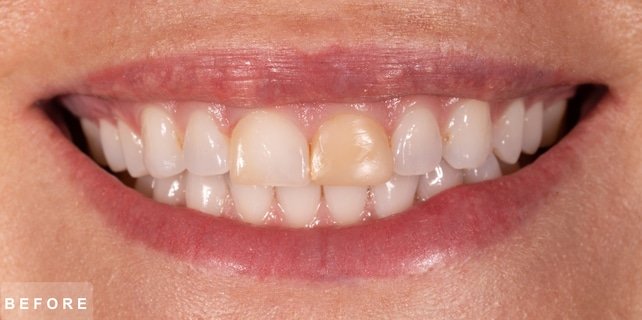
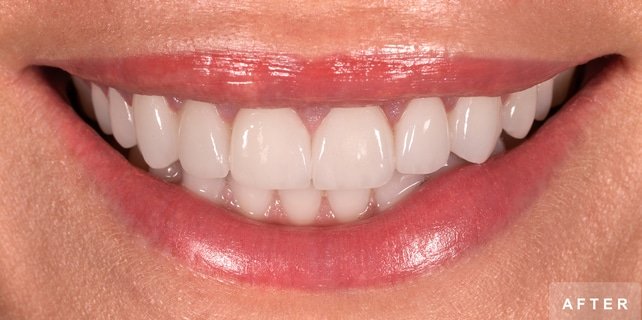
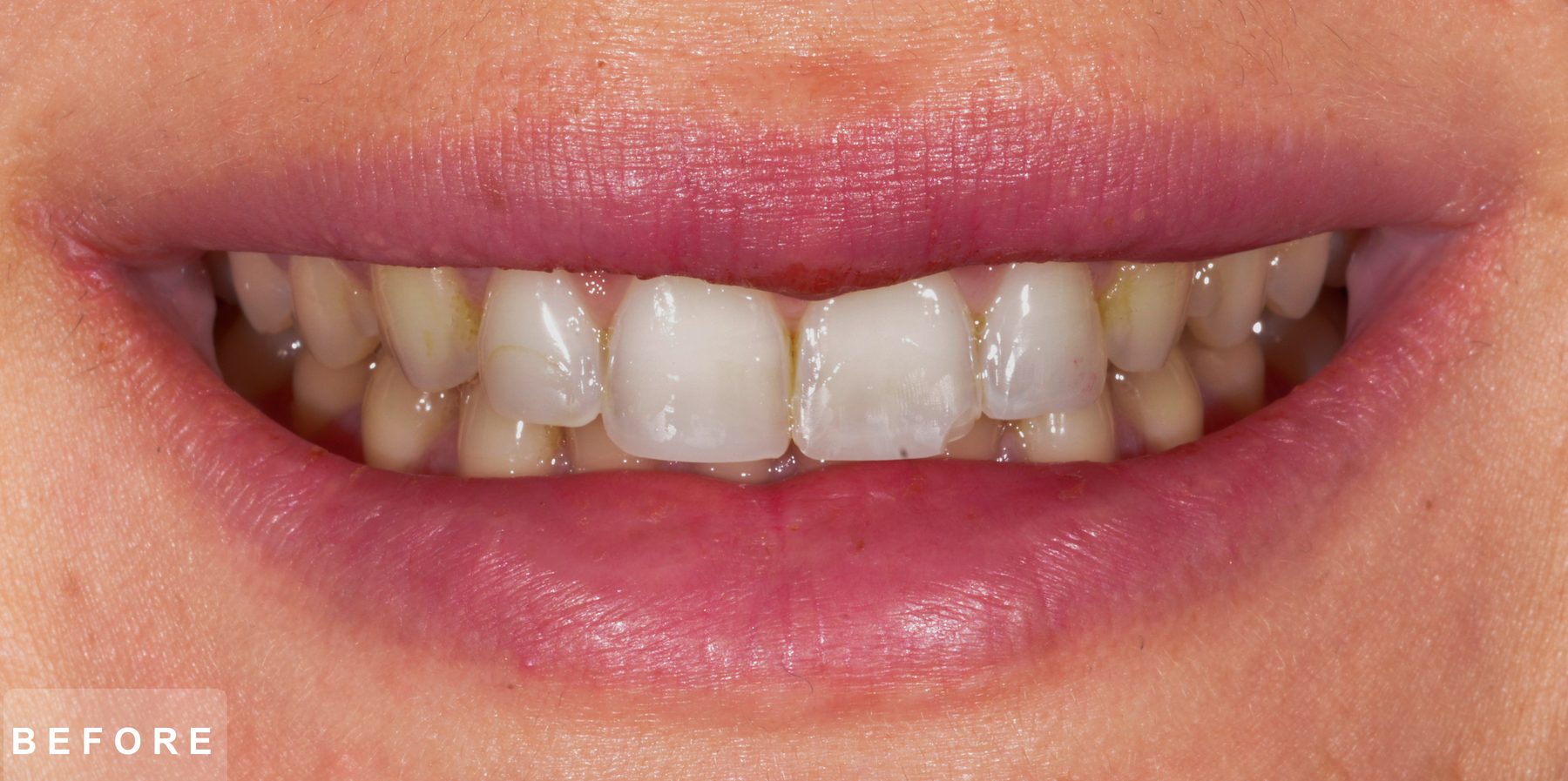
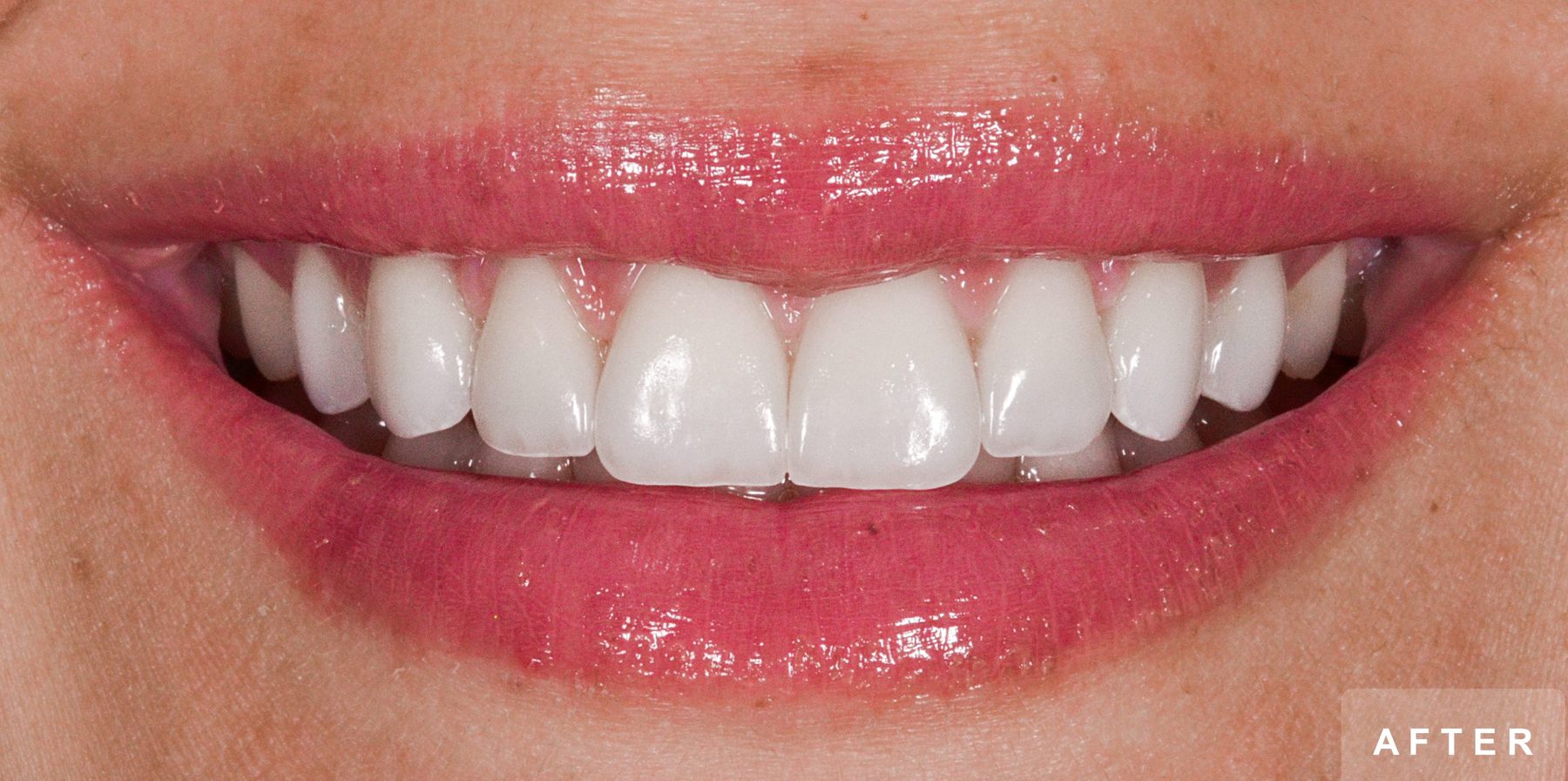
Cosmetic Dentistry · Edgecliff
Porcelain, composite, and no-prep veneers — planned around individual clinical assessment. Dental veneers are a higher-risk non-surgical cosmetic procedure under AHPRA guidelines.
Veneers are irreversible. A thin layer of natural tooth enamel is permanently removed. This cannot be undone.
Possible risks: tooth sensitivity, gum irritation, chipping or fracture, debonding, colour mismatch, bite changes, and — rarely — pulp damage requiring root canal treatment.
Longevity: Veneers typically last 5–15 years before requiring replacement.
Recovery: Most patients return to normal activities within 24 hours. Temperature sensitivity is common for days to weeks after placement.
Alternatives: composite bonding (reversible, less invasive), teeth whitening, orthodontic treatment, or no treatment. All will be discussed at consultation.
Individual results vary. Outcomes cannot be predicted with certainty and will vary between patients.
About the Treatment
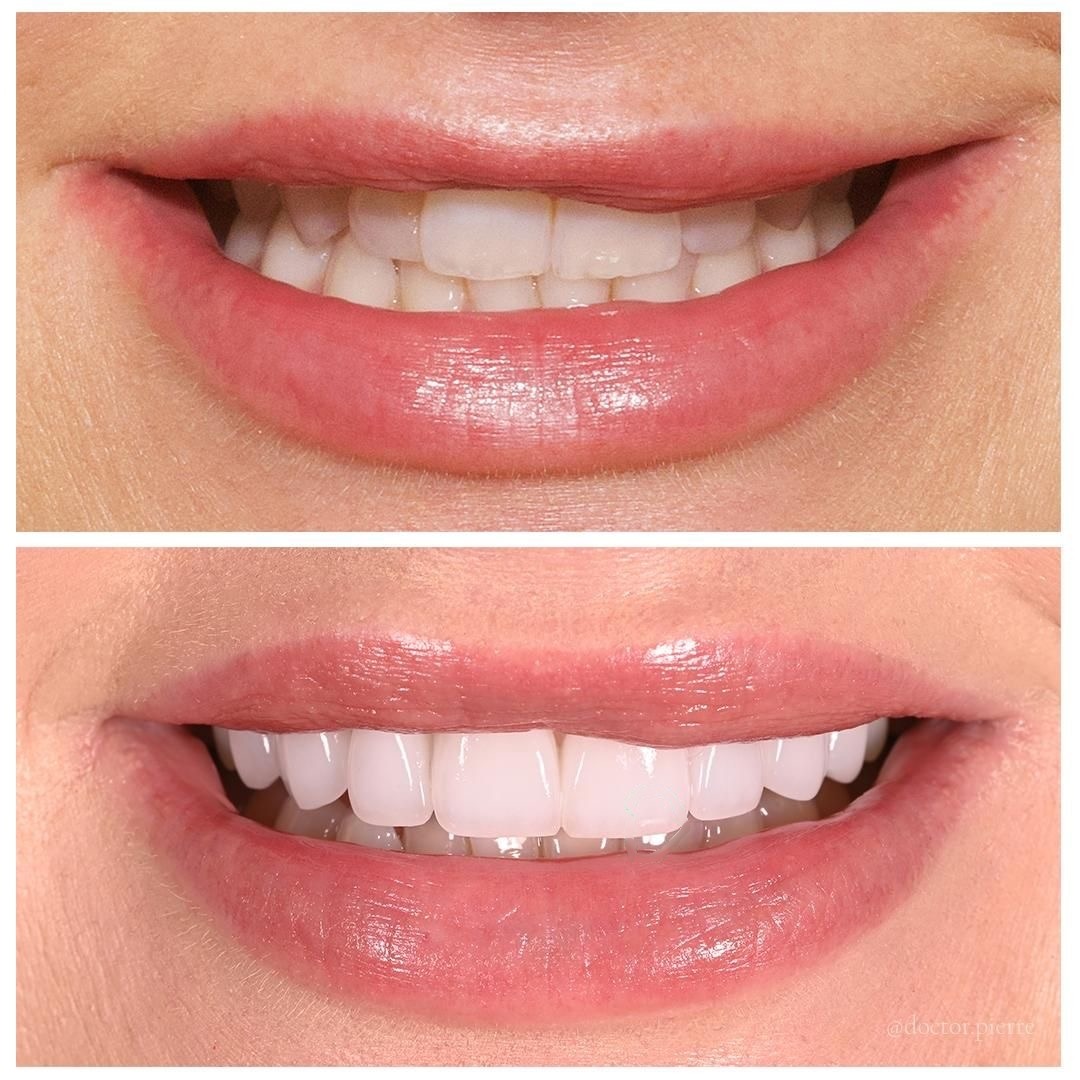
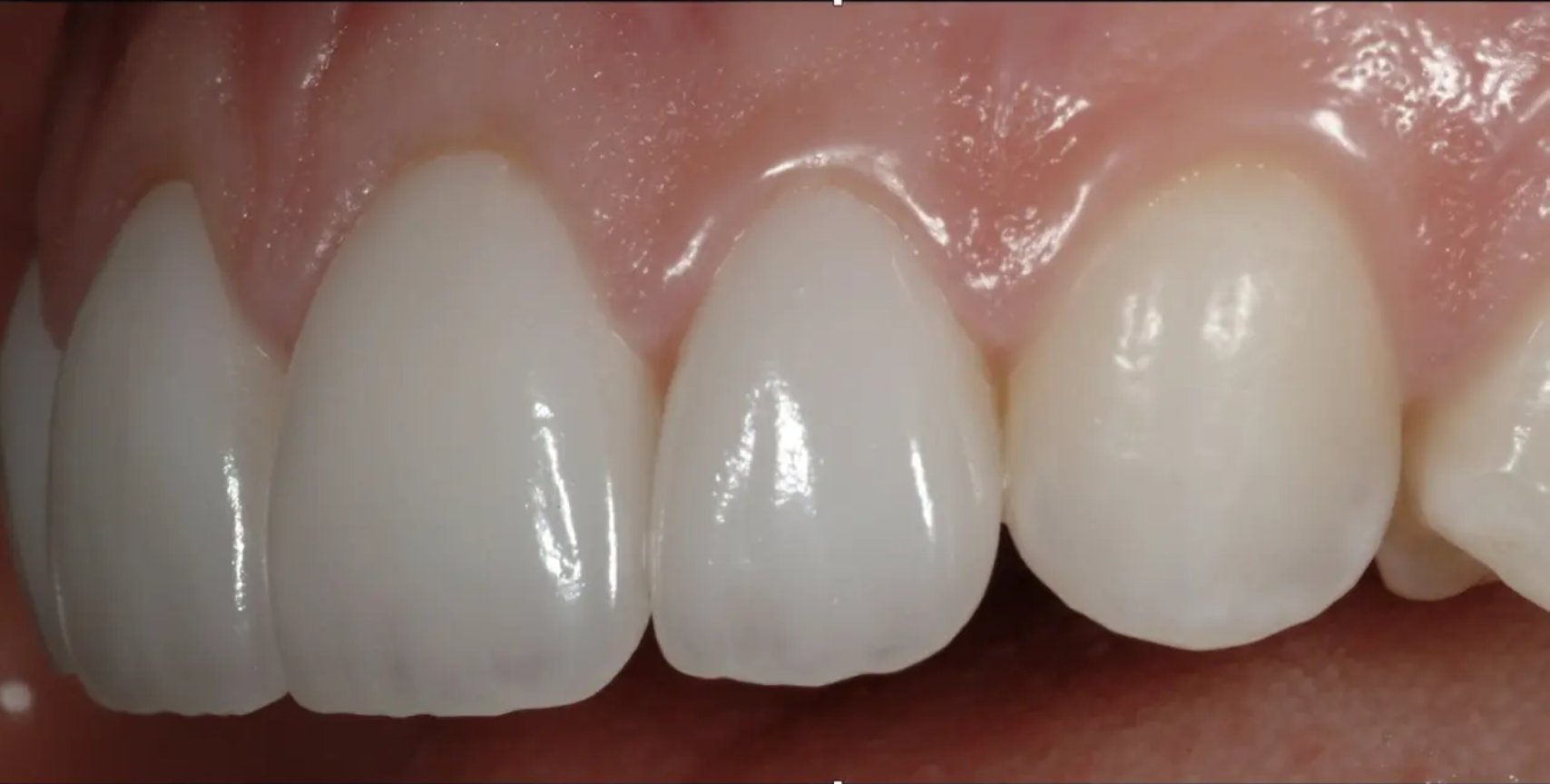
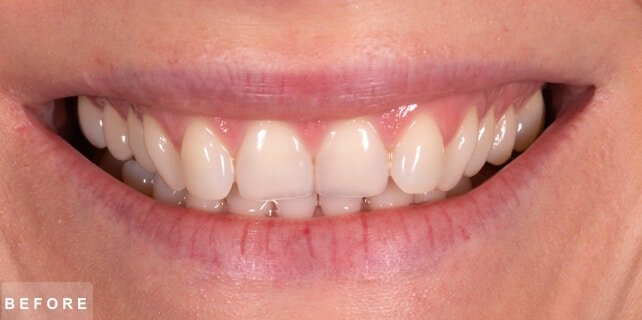
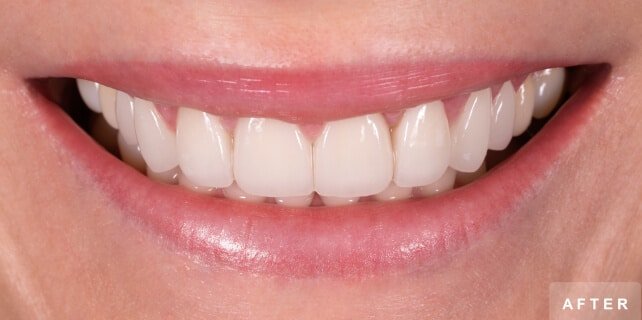
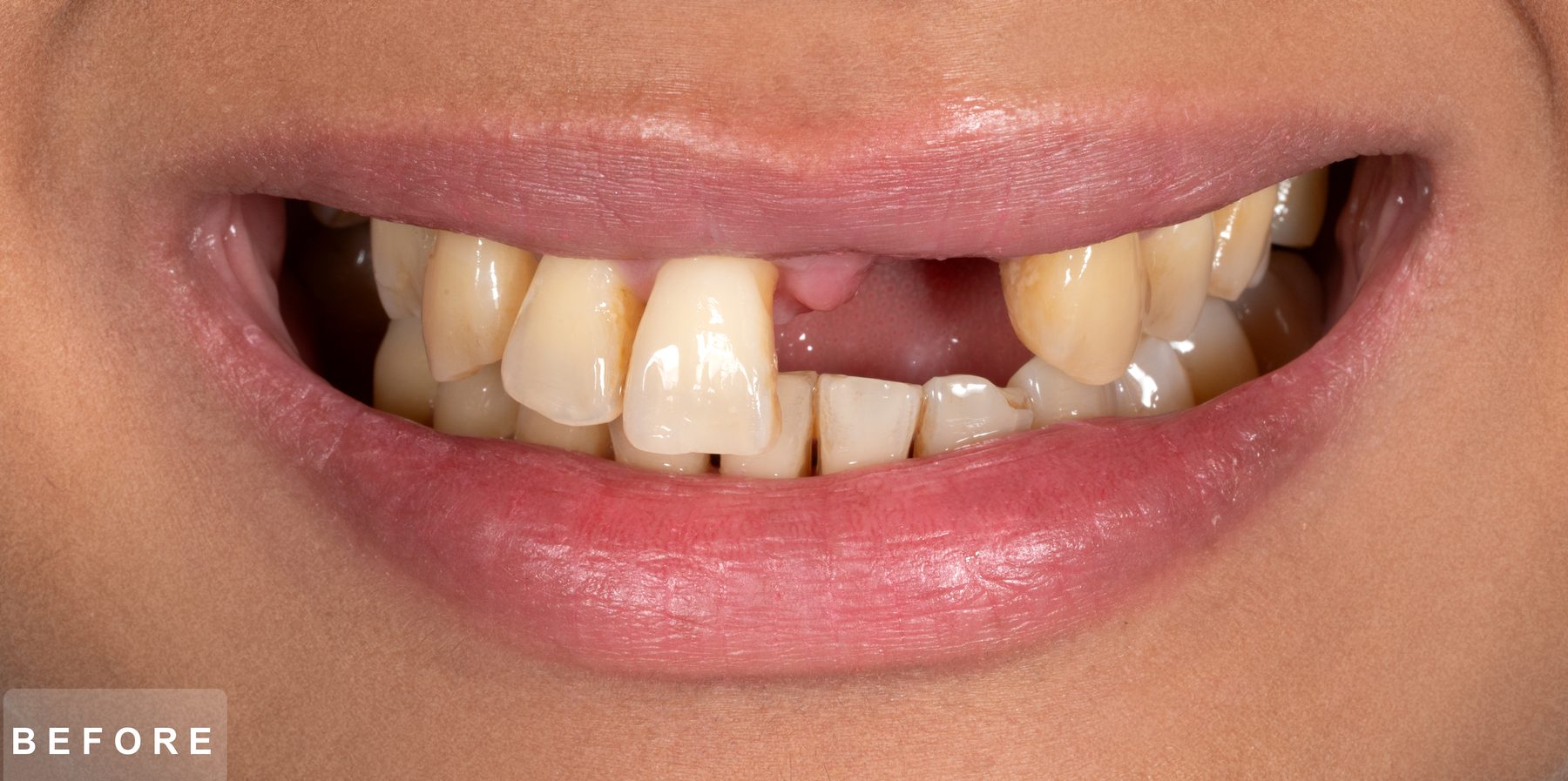
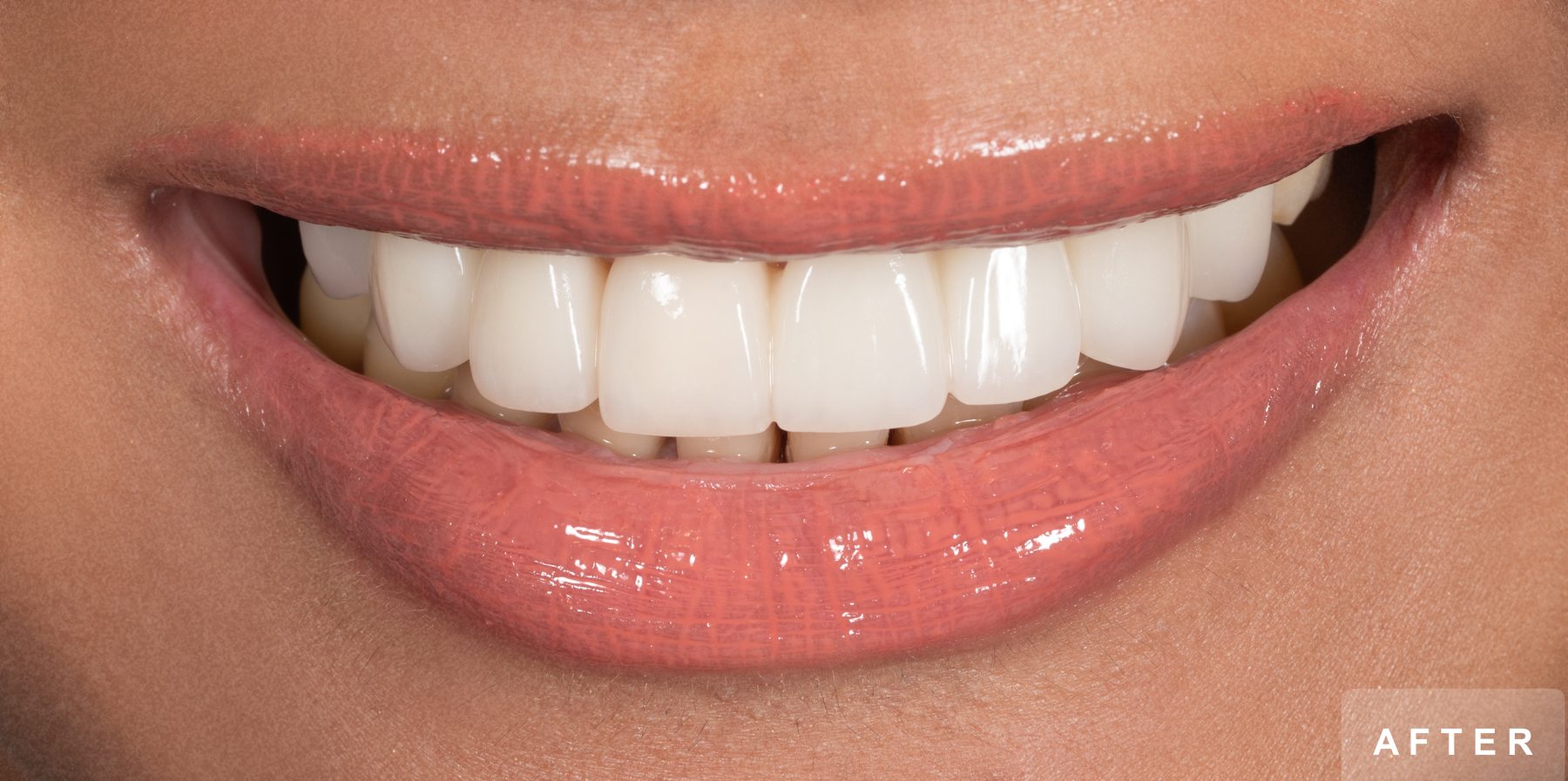
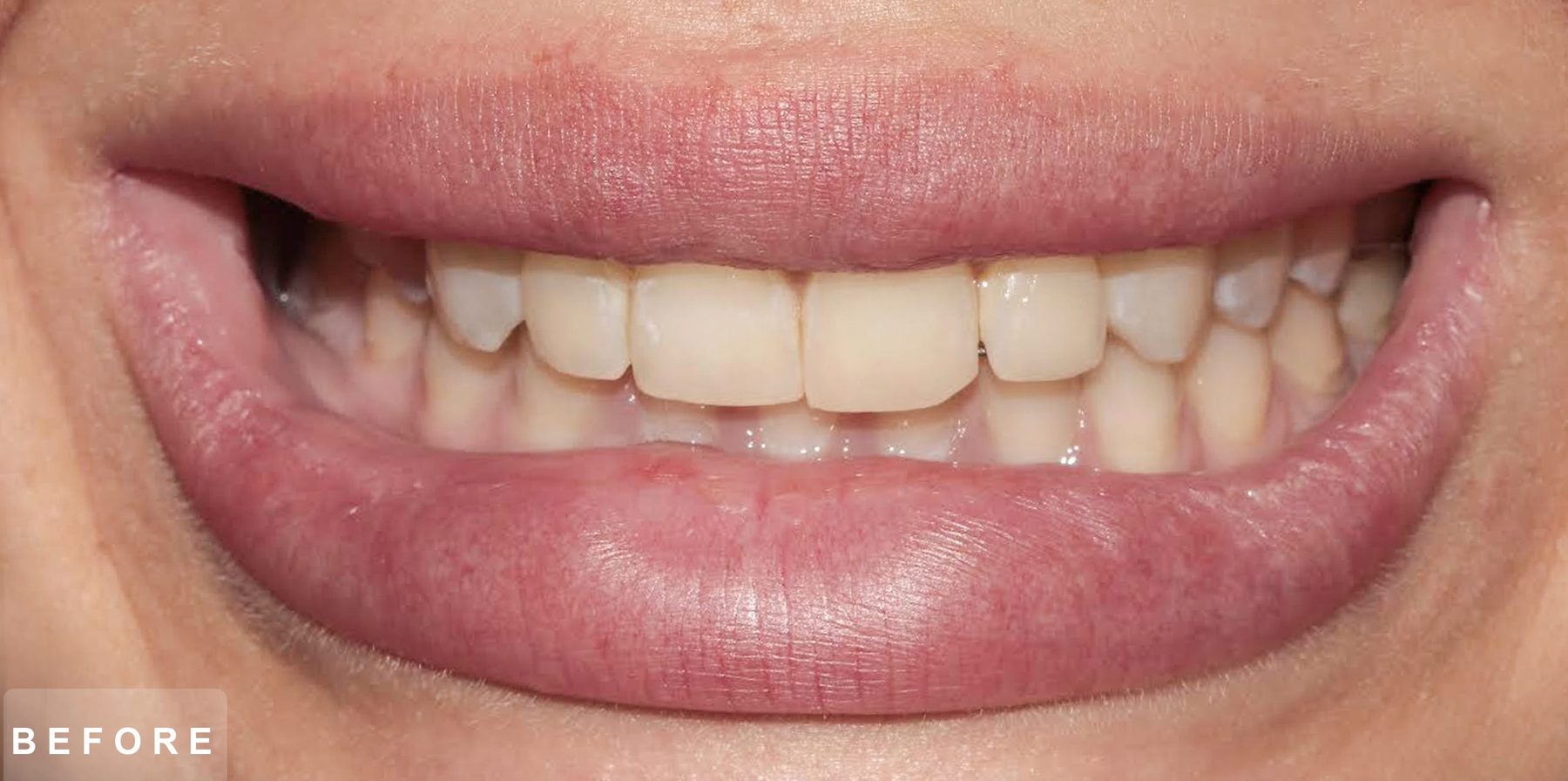
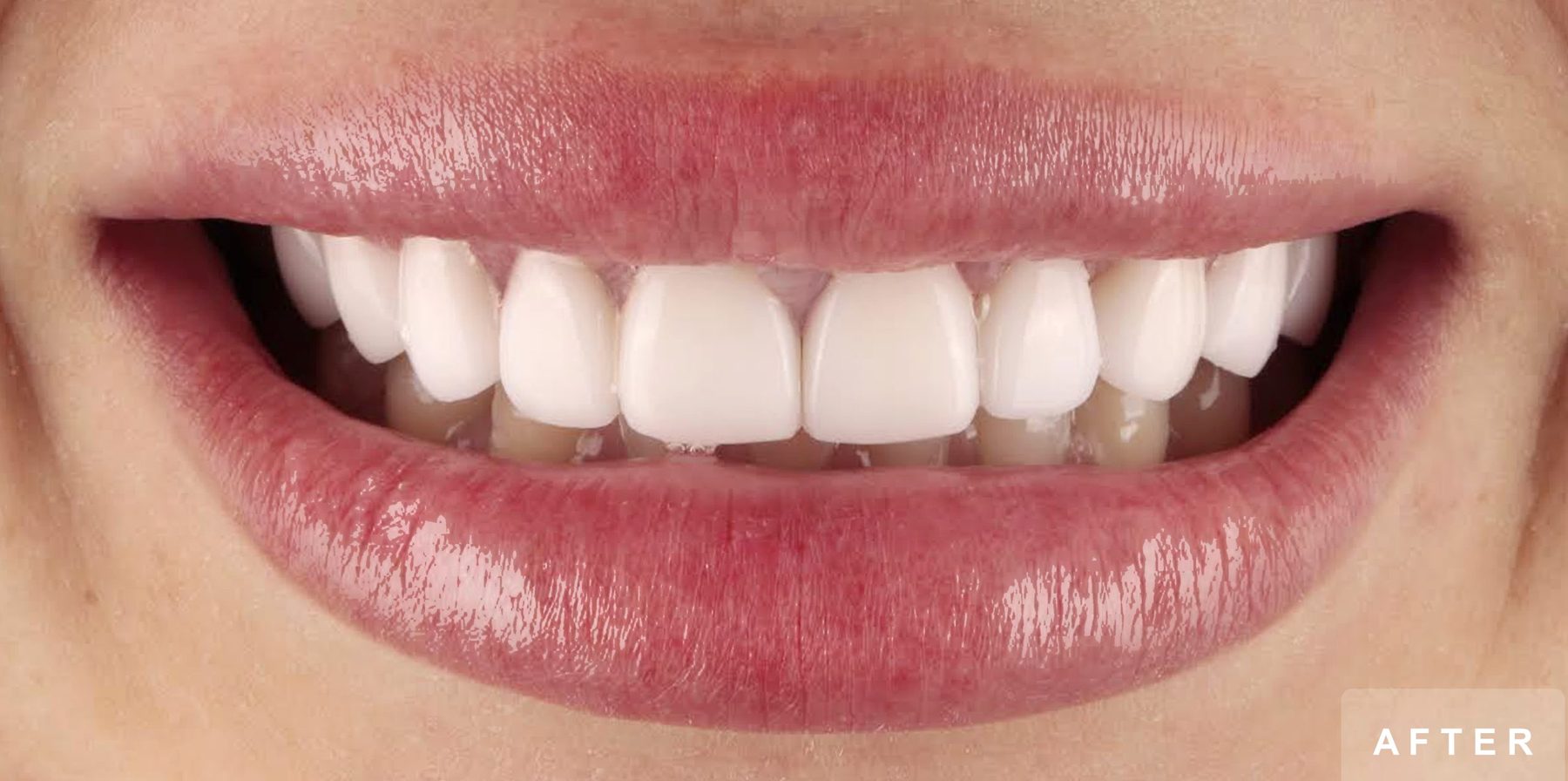
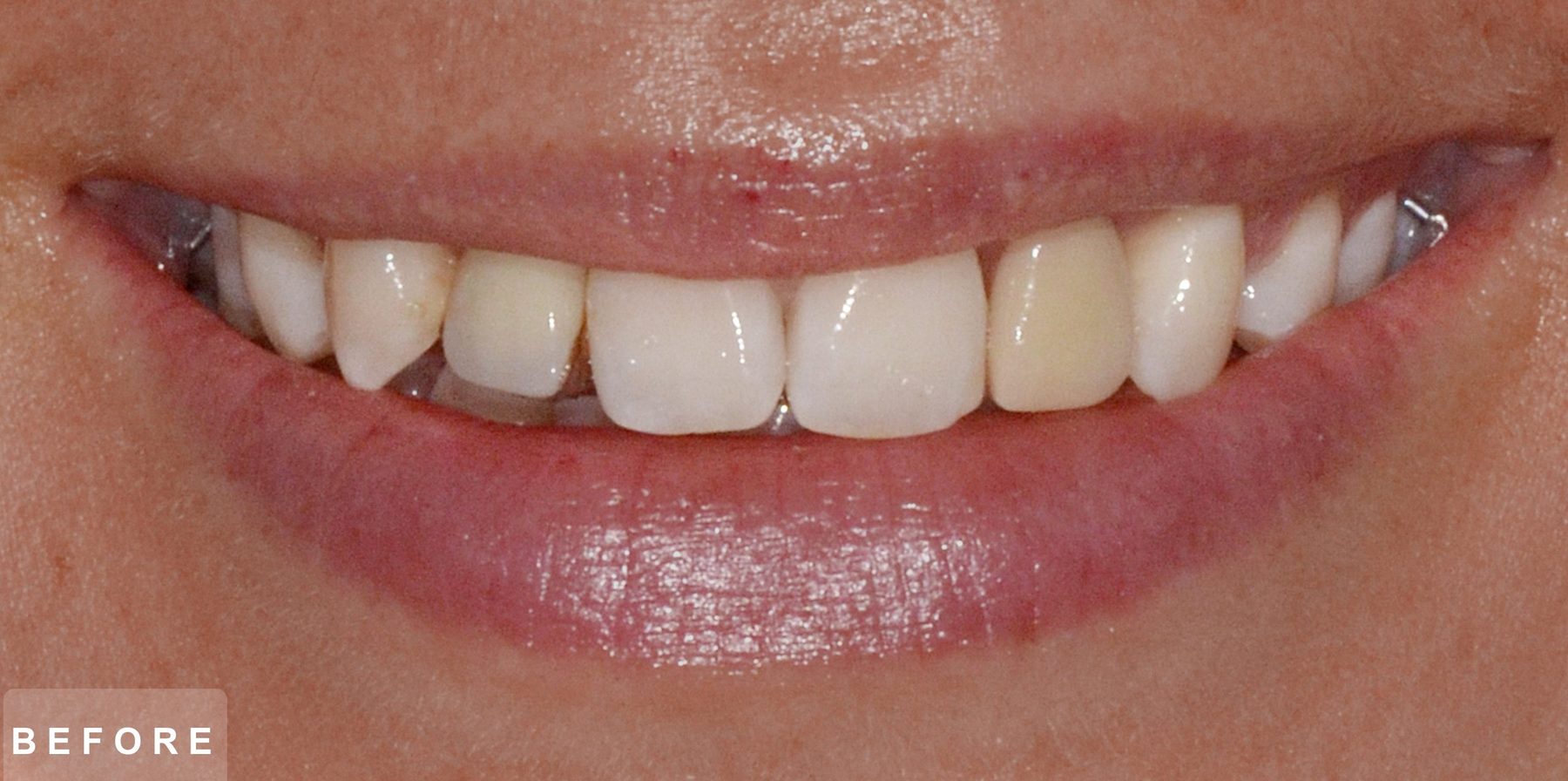
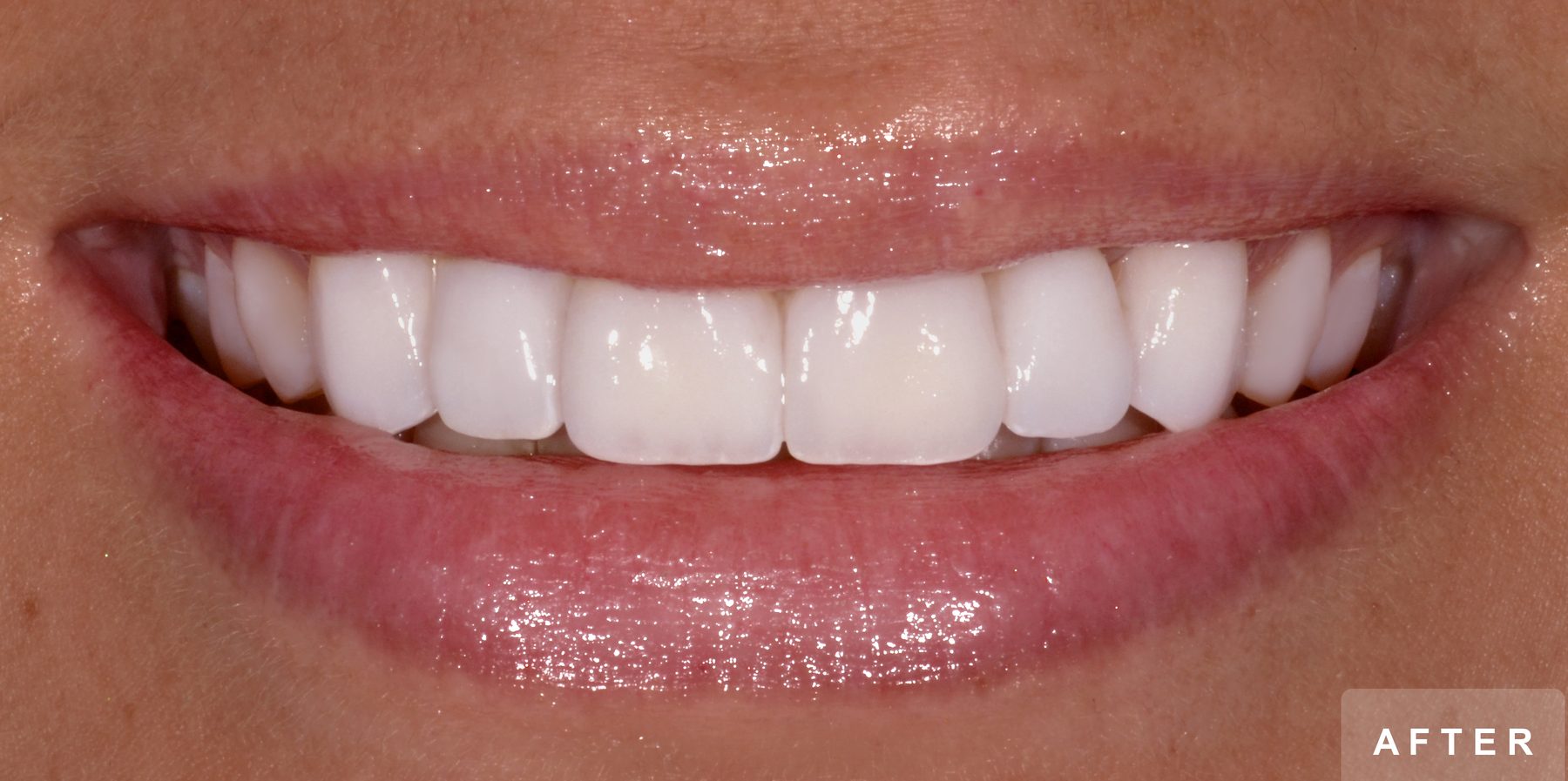
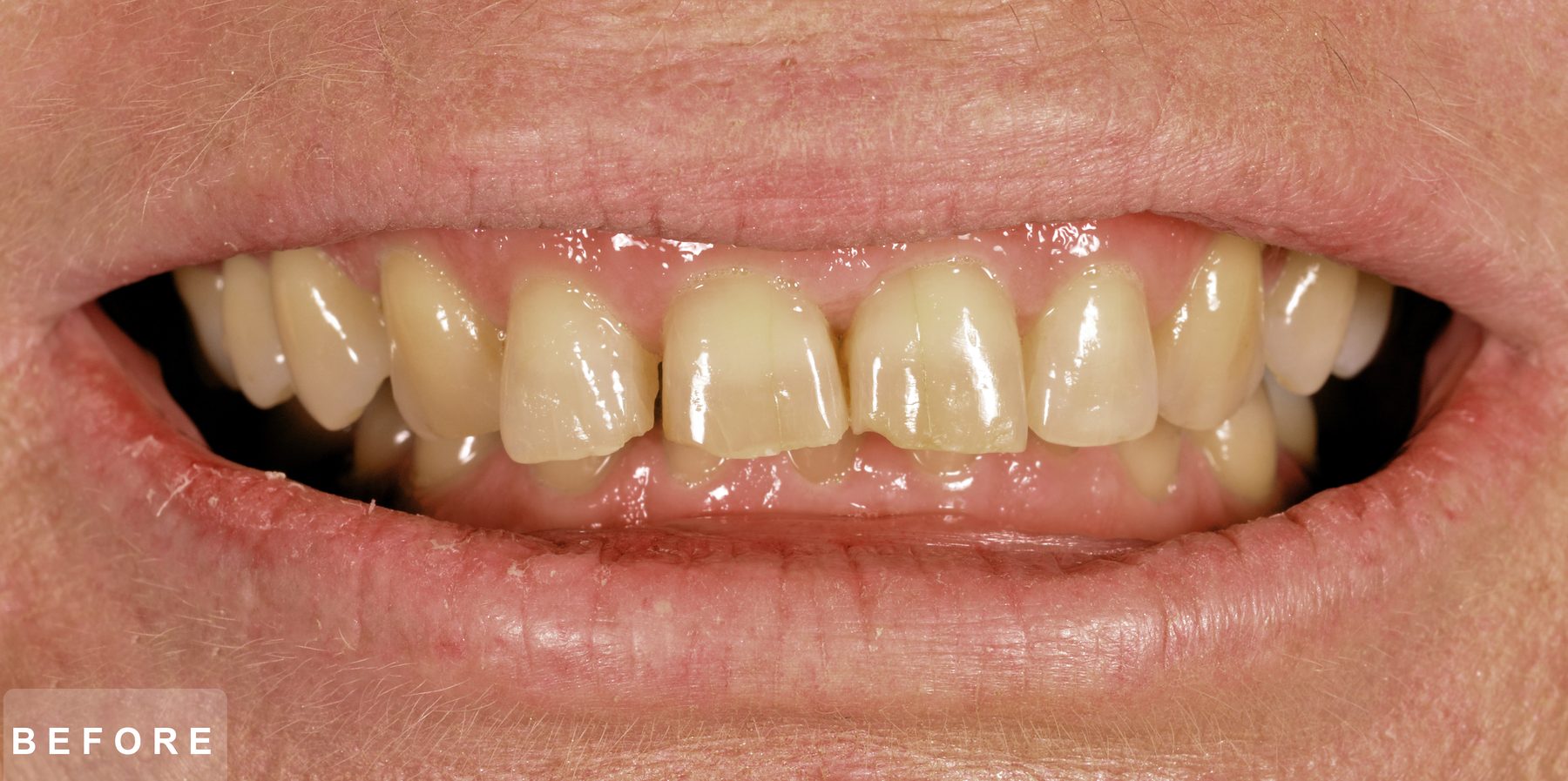
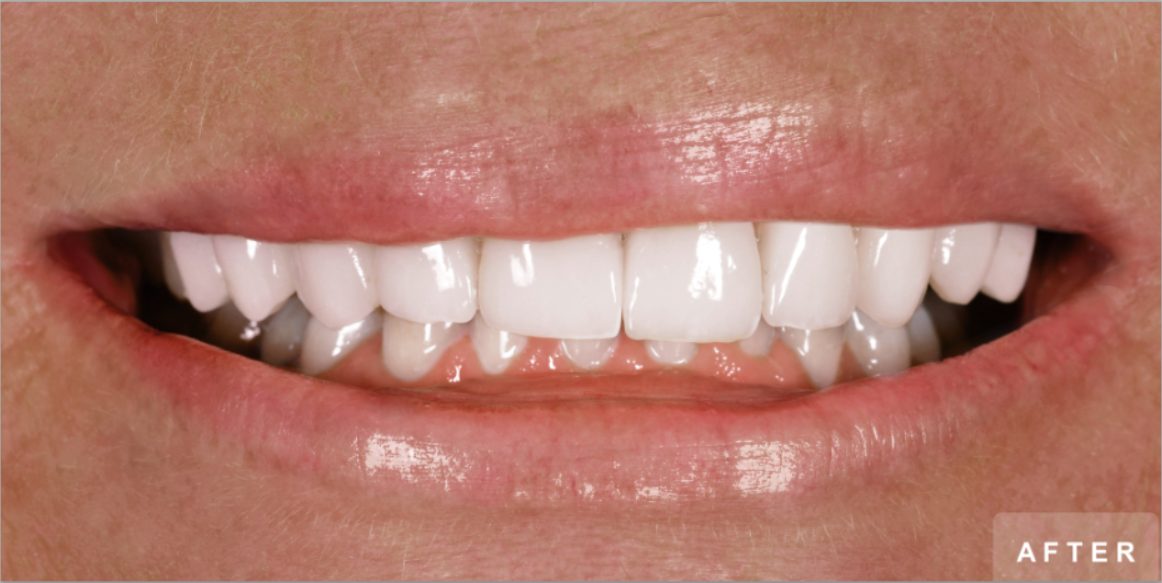
Dental veneers are thin shells — typically porcelain or composite resin — bonded to the front surface of teeth to address discolouration, chips, shape variations, or minor gaps.
Because they involve permanent removal of tooth enamel, veneers are classified by AHPRA as a higher-risk non-surgical cosmetic procedure requiring careful consideration, clinical assessment, and informed consent.
At your consultation, Dr Pierre will assess clinical suitability, discuss all options available, and go through risks and alternatives in full before any treatment is planned.

Veneer Options
Made from dental ceramic in a laboratory. Durable, stain-resistant. Requires enamel removal. Two or more appointments.
Tooth-coloured resin applied directly to the tooth. Less expensive, usually one appointment. Shorter lifespan than porcelain.
Very thin porcelain veneers requiring minimal or no enamel removal. Only suitable in specific clinical situations — assessed at consultation.
What to Expect
Clinical exam, history review, discussion of goals, risks, alternatives, and costs. No commitment required.
Written treatment plan and cost estimate provided before consent is obtained.
Enamel removed under local anaesthesia. Scans taken, temporaries placed. Final veneers bonded at a subsequent appointment.
Review appointment to check fit, bite, and comfort. Ongoing check-ups required.
Common Questions
Book an Appointment
Contact us to arrange an assessment. All treatments begin with a clinical evaluation.